Advanced Auto Body Repair Services Built on Precision and Trust
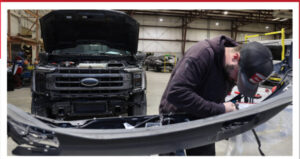
Accidents can interrupt your day, but the right repair team restores confidence fast. Burnside Express Collisiondelivers authorized craftsmanship, modern equipment, and clear communication to fix your vehicle to its pre-accident condition, with a focus on safety, appearance, and performance. Repair Excellence with Certified Precision OEM-certified repair methods to support factory-standard restoration Advanced equipment improves accuracy and consistency Qualified technicians focus on the smallest repair details On-time delivery supported by regular repair updates Restoration Expertise for Safer Driving Auto body repairs
Collision Repair Myths Drivers Still Believe (and the Truth Behind Them)
Overview Drivers often fall for collision repair myths, from DIY dent fixes with boiling water or plungers to the belief that every dent requires repainting. In reality,these shortcuts cause hidden damage, while modern solutions like Paintless Dent Repair (PDR) restore panels permanently without harming factory paint. Repainting isn’t always ideal, insurance doesn’t dictate repair shops, and advanced materials can be repaired safely. Even if a car drives fine, unseen damage may exist. Accurate information ensures safe, cost‑effective, value‑preserving repairs. How
Common Collision Repair Scams and How to Protect Yourself
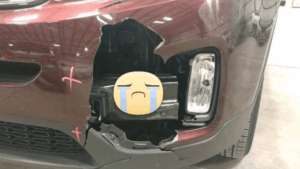
Overview Collision repair scams exploit drivers’ stress and lack of expertise through unnecessary repairs, inflated insurance claims, fear-based suspension warnings, and misleading parts practices. Myths about dent removal often push costly fixes over proven paintless dent repair (PDR), which preserves factory finish. Protect yourself by demanding written estimates, verifying parts, seeking second opinions, and checking shop credentials. Stay engaged with insurance to avoid manipulation. Trusted shops emphasize transparency, honest assessments, and quality repairs that safeguard both safety and vehicle value.
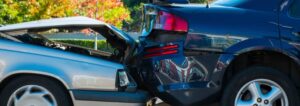
Paintless Dent Repair (PDR): What It Is and When It Works Best
Overview Paintless Dent Repair (PDR) is a specialized technique that removes minor dents and dings without disturbing factory paint, preserving a vehicle’s original finish and value. By reshaping panels with precision tools, PDR offers faster, cost-effective, and eco-friendly results compared to traditional collision repair. It works best for door dings, hail damage, and shallow dents where paint remains intact. While DIY myths often cause more harm, professional assessment ensures the right repair method, balancing cosmetic restoration with long-term durability.
Understanding the 3 C’s of Collision Repair Reports: Condition, Cause, and Correction
Overview The 3 C’s of collision repair Condition, Cause, and Correction form the foundation of professional repair reports, ensuring accuracy, transparency, and safety. Condition documents the vehicle’s state after an accident, Cause explains how the damage occurred, and Correction outlines the repair steps needed to restore it. This structured approach benefits vehicle owners, technicians, and insurers by preventing overlooked damage, supporting claims, and guaranteeing manufacturer-standard repairs. Ultimately, the 3 C’s provide clarity, accountability, and confidence throughout the collision repair process.
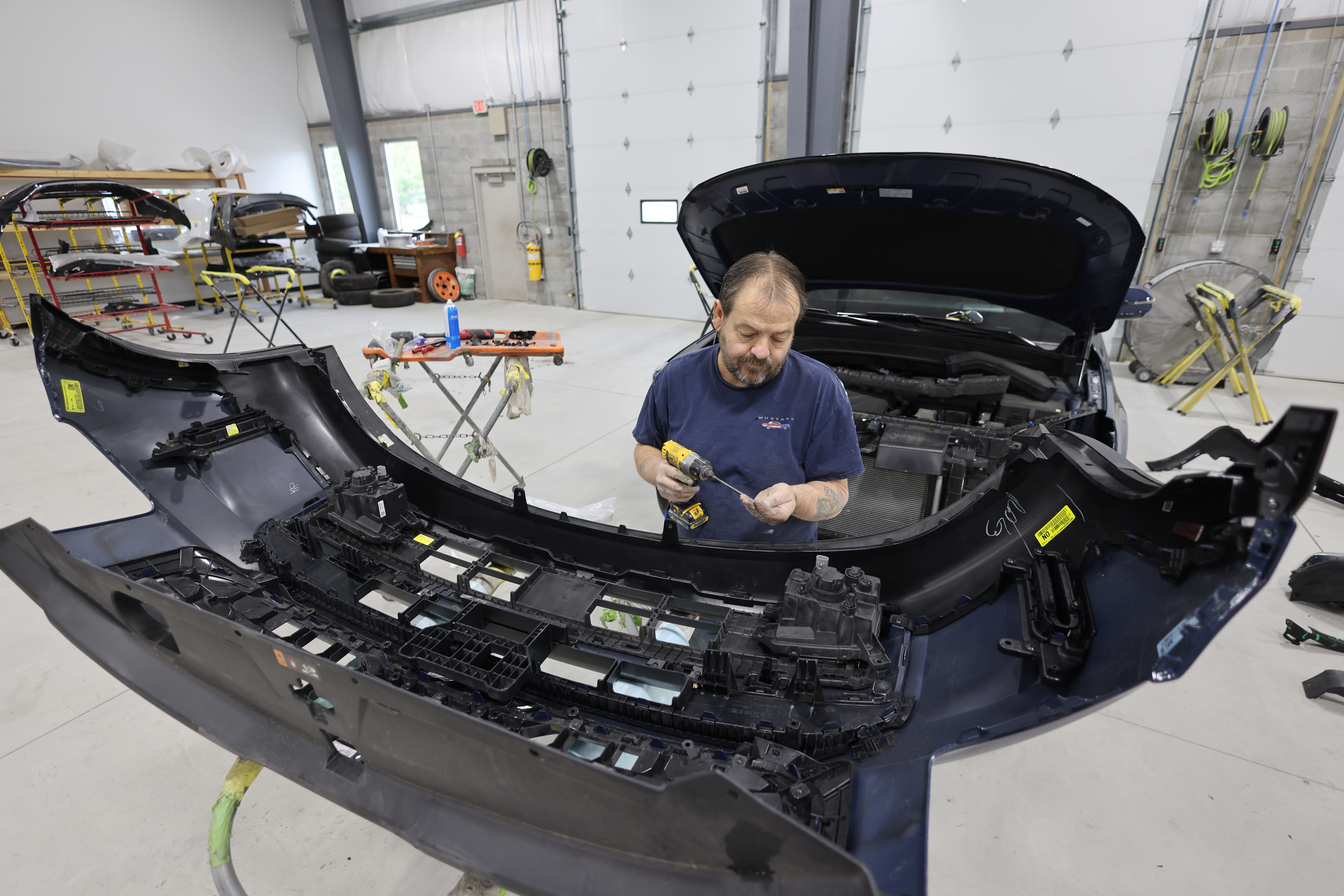
OEM vs Aftermarket Parts in Collision Repair: Pros, Cons, and Differences
Overview OEM and aftermarket parts each play a key role in collision repair, affecting cost, fit, availability, insurance decisions, repair timelines, and long‑term vehicle value. OEM parts offer precise fit and consistency, making them ideal for newer cars or structural and safety‑critical areas. Aftermarket parts provide affordability and faster access, working well for non‑structural repairs. Choosing between them depends on budget, repair goals, insurance policies, and part availability, with repair‑shop expertise ensuring proper fit, finish, and overall performance. In this
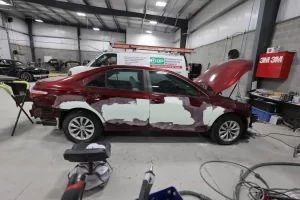
Paint Correction Explained: What It Is and How It Restores Your Car’s Finish
Overview Paint correction is a professional process that restores a car’s clear coat by removing swirl marks, light scratches, oxidation, and haze, making the paint look deeper, shinier, and more even. Unlike waxing or polishing, it permanently fixes surface flaws without unnecessary paint removal. It can improve faded or uneven color, enhance panel gloss, and prepare the car for protective coatings. Light scratches can often be fully corrected, while deeper ones may require additional work. Paint correction protects your investment,
How to Pick the Best Auto Body Shop After a Car Accident
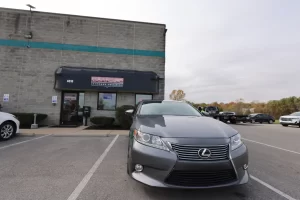
Overview Choosing the right auto body shop after an accident ensures your vehicle is repaired safely, accurately, and to manufacturer standards. Experience, certifications, advanced equipment, and strong customer reviews help identify trustworthy repair centers. Clear estimates, insurance coordination, and attention to structural alignment, paint matching, and safety‑system calibration protect long‑term performance and value. Reliable shops communicate openly throughout the process and provide warranties for added confidence. Why Your Choice of Repair After an Accident Matters Your car may look derivable
Auto Collision Repair Explained: Common Types of Collision Damage
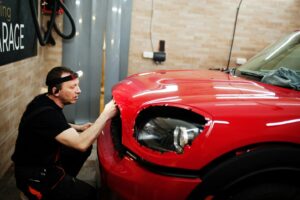
Overview Auto collision repair restores a vehicle’s safety, structure, and appearance after an accident, addressing both visible and hidden damage such as dents, frame issues, sensor problems, and glass cracks. Repairs range from paintless dent removal to structural alignment, refinishing, and safety‑system calibration. Skilled technicians inspect, plan, and complete repairs using proper methods and equipment to ensure long‑term reliability. Choosing a certified collision center with transparent communication protects vehicle value, ensures accurate repairs, and helps drivers return to the road
What is Collision Insurance? Coverage, Costs, and How Claims Work
Overview Collision insurance covers damage to your car from accidents with vehicles, objects, or rollovers, regardless of fault. It pays for repairs or the car’s cash value if totaled, but excludes theft, vandalism, weather, or animal strikes. Costs depend on vehicle value, driving record, location, and deductible choice, balancing premiums with out‑of‑pocket expenses. Claims involve insurer evaluation, deductibles, and approved repairs or payouts. Essential for newer or financed cars, collision coverage protects against major expenses and ensures financial security after
Auto Body Shop Vs Auto Repair Shop: Key Differences Every Driver Should Know
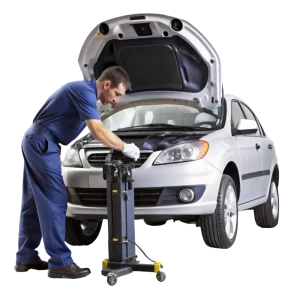
Overview Auto body shops and auto repair shops serve very different purposes, and knowing the difference helps drivers make smarter choices after an accident or car trouble. Auto body shops specialize in fixing the exterior and structure of vehicles, including dents, paint, bumpers, and frames, while auto repair shops handle mechanical issues such as engines, brakes, and transmissions. This guide explains when to visit each type of shop, the services they provide, and why choosing the right one saves time,

Your Car. Your Choice. Trusted Collision Repair in Greenwood, Indiana
Welcome-to–Greenwood Neighborhood Intro If you live in Greenwood or the surrounding South Indianapolis suburbs (Center Grove, Whiteland, Bargersville, Franklin), you know how quickly a fender-bender or major accident can disrupt your routine. Whether you’re commuting via U.S. 31, stopping in the Greenwood Park Mall area, or driving south toward I-65, you deserve a collision repair center that puts your needs first. At Burnside Express Collision in Greenwood, we’re proud to serve the local community with top-tier service, clear communication, and

Take Control After a Collision: Auto Body Repair in West Indianapolis
Insurance Companies Don’t Get to Pick Your Repair Shop After an accident, the last thing you need is someone else making decisions about your car. Yet, it’s common for insurance representatives to say, “We’ll send you to one of our preferred shops.” That might sound convenient but what they don’t tell you is that you’re never required to go where they suggest. However, by law, you can choose any collision repair center you trust. At Burnside Express Collision – West
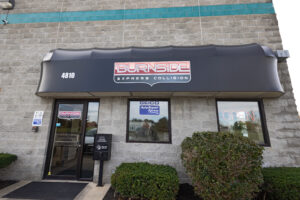
Your Car, Your Choice
Understanding Collision Repair Options in Zionsville, Indiana You Don’t Have to Use Your Insurance Company’s “Preferred” Shop If you’ve been in an accident, your insurance company might tell you, “We recommend one of our preferred body shops.” It sounds convenient but that recommendation often benefits the insurer more than it benefits you. Many drivers don’t realize that you have the legal right to choose where your vehicle is repaired. You can take your car to any licensed collision repair center